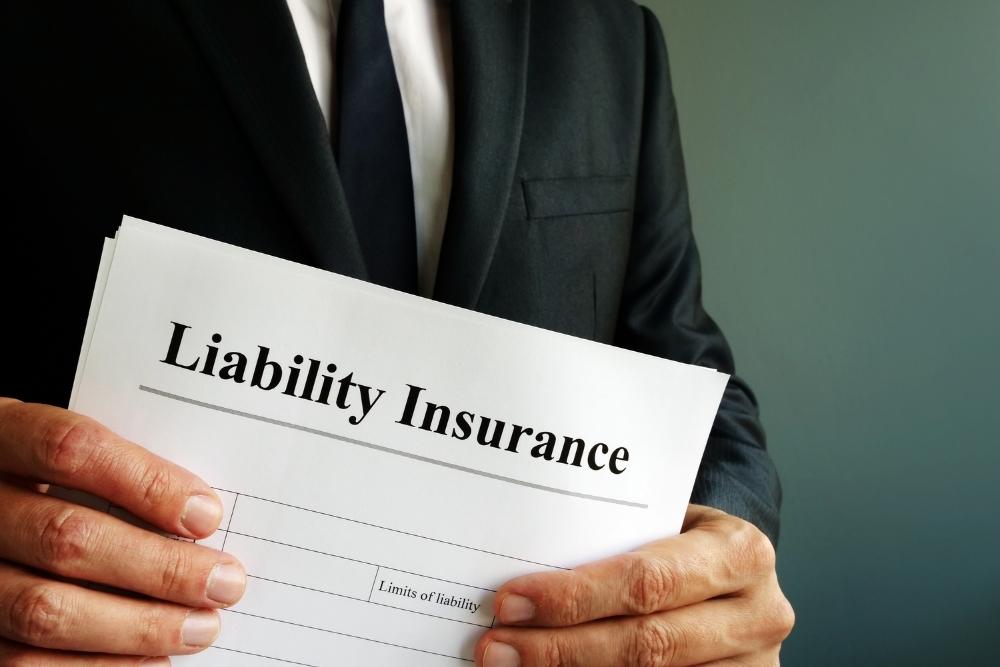
General liability insurance is a foundational component of business risk management, providing essential coverage against a wide range of third-party claims and liabilities. From bodily injury and property damage to advertising injury and legal expenses, general liability insurance offers financial protection and peace of mind for businesses of all sizes and industries.
In this comprehensive guide, we’ll delve into the intricacies of general liability insurance, exploring its coverage options, benefits, considerations, and strategies for securing the right policy to safeguard your business assets and ensure long-term success.
Understanding General Liability Insurance:
- General liability insurance, also known as commercial general liability (CGL) insurance, is a foundational form of business insurance that protects against claims of bodily injury, property damage, and personal and advertising injury.
- CGL policies typically cover legal expenses, court costs, settlements, and judgments associated with covered claims, providing financial protection and assistance for businesses facing lawsuits or liability claims.
Coverage Options and Protections:
- Bodily Injury and Property Damage: General liability insurance provides coverage for bodily injury or property damage caused to third parties as a result of your business operations, products, or services.
- Personal and Advertising Injury: Protection against claims of defamation, libel, slander, copyright infringement, or other forms of advertising injury arising from your business’s advertising or marketing activities.
- Legal Defense Costs: Coverage for legal expenses, attorney fees, court costs, and settlements or judgments incurred in defending against covered claims or lawsuits.
Benefits of General Liability Insurance:
- Financial Protection: General liability insurance helps protect your business assets, income, and reputation by covering the costs associated with third-party claims and lawsuits.
- Peace of Mind: Knowing that your business is protected against potential liabilities and legal risks allows you to focus on your core operations and objectives without worrying about unforeseen financial setbacks.
- Compliance and Contracts: Many business contracts, leases, and agreements require businesses to carry general liability insurance to demonstrate financial responsibility and compliance with contractual obligations.
- Customer Confidence: Having general liability insurance can instill confidence in customers, vendors, and business partners, assuring them that your business is financially secure and adequately protected against potential liabilities.
Considerations When Choosing General Liability Insurance:
- Coverage Limits: Evaluate your business’s exposure to potential liabilities and select coverage limits that provide adequate protection without overpaying for unnecessary coverage.
- Policy Exclusions: Review policy exclusions, limitations, and endorsements carefully to understand what is and isn’t covered under your general liability insurance policy.
- Additional Coverages: Consider additional coverages or endorsements such as cyber liability insurance, professional liability insurance, or employment practices liability insurance to address specific risks and exposures faced by your business.
Factors Affecting General Liability Insurance Premiums:
- Business Operations: The nature of your business activities, industry, and risk profile can influence insurance premiums, with higher-risk businesses typically facing higher premiums.
- Claims History: A business’s claims history, including frequency and severity of past insurance claims, can impact general liability insurance premiums, with a history of frequent claims potentially leading to higher rates.
- Location: Factors such as geographic location, crime rates, and local regulations can affect insurance premiums, with businesses located in high-risk areas typically facing higher rates.
- Coverage Limits and Deductibles: Higher coverage limits and lower deductibles generally result in higher premiums, while lower coverage limits and higher deductibles can help reduce premiums but may increase out-of-pocket expenses in the event of a claim.
Tips for Securing Affordable General Liability Insurance:
- Work with an Insurance Professional: Consult with an experienced insurance agent or broker specializing in commercial insurance to assess your needs, explore coverage options, and obtain competitive quotes from multiple insurers.
- Bundle Policies: Consider bundling your general liability insurance with other business insurance policies such as property insurance, commercial auto insurance, or workers’ compensation insurance to qualify for multi-policy discounts.
- Risk Management Practices: Implement risk management strategies and safety protocols to reduce the likelihood of accidents, injuries, or property damage, which can help lower insurance premiums over time.
- Review and Update Regularly: Regularly review your general liability insurance coverage to ensure it remains up-to-date and aligned with your evolving business needs, industry regulations, and changes in risk exposure.
General liability insurance is a fundamental aspect of business risk management, providing financial protection and peace of mind for businesses facing potential liabilities and legal risks. By understanding the coverage options, benefits, considerations, and factors influencing premiums, businesses can effectively mitigate risks, safeguard their assets, and ensure long-term success.
Remember to review and update your general liability insurance coverage regularly to adapt to changes in your business operations, industry landscape, and regulatory requirements. With the right general liability insurance policy in place, businesses can navigate uncertainties with confidence and focus on achieving their goals and objectives.
