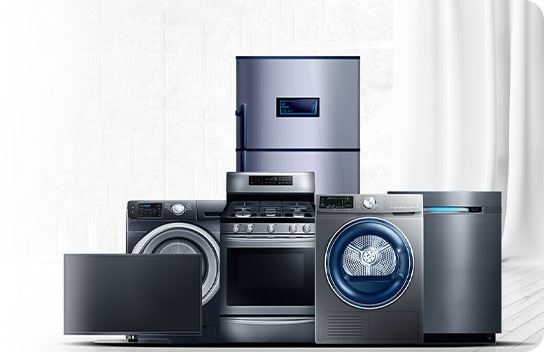
Home appliances are essential components of modern living, providing convenience, comfort, and efficiency to households. However, these appliances are also susceptible to wear and tear, breakdowns, and unexpected malfunctions, which can disrupt daily routines and incur costly repair or replacement expenses.
Home appliance insurance, also known as home warranty or appliance protection plan, offers homeowners financial protection against such eventualities. In this comprehensive guide, we’ll delve into the intricacies of home appliance insurance, exploring its coverage options, benefits, considerations, and strategies for selecting the right plan to safeguard your home appliances and ensure peace of mind.
Understanding Home Appliance Insurance:
- Home appliance insurance is a type of service contract or warranty that provides coverage for the repair or replacement of household appliances in the event of mechanical failures, breakdowns, or malfunctions.
- Unlike homeowners insurance, which primarily covers structural damage to the home, home appliance insurance specifically targets appliances such as refrigerators, washing machines, dishwashers, ovens, air conditioners, and water heaters.
- Home appliance insurance plans typically have annual premiums and may require homeowners to pay a service fee or deductible for each repair service call.
Coverage Options and Protections:
- Mechanical Breakdowns: Home appliance insurance covers the cost of repairing or replacing covered appliances due to mechanical failures or malfunctions, including components such as motors, compressors, heating elements, and electronic controls.
- Parts and Labor: Coverage includes both parts and labor costs associated with repairing or replacing covered appliances, providing homeowners with financial assistance for repair services performed by authorized technicians.
- Appliances Covered: Depending on the plan selected, home appliance insurance may cover a range of household appliances, including kitchen appliances, laundry appliances, HVAC systems, and water heaters.
- Additional Benefits: Some home appliance insurance plans offer additional benefits such as preventive maintenance services, coverage for unknown pre-existing conditions, and reimbursement for food spoilage or temporary lodging expenses during appliance repairs.
Benefits of Home Appliance Insurance:
- Financial Protection: Home appliance insurance helps homeowners avoid unexpected repair or replacement costs for essential household appliances, providing financial security and peace of mind.
- Convenience: With home appliance insurance, homeowners have access to a network of qualified service technicians who can promptly diagnose and repair appliance issues, minimizing downtime and inconvenience.
- Budget-Friendly: Home appliance insurance plans typically have affordable monthly or annual premiums, making it easier for homeowners to budget for potential appliance repair or replacement expenses.
- Comprehensive Coverage: Home appliance insurance covers a wide range of household appliances, ensuring that homeowners have protection against mechanical failures and breakdowns across various systems and appliances in their homes.
Considerations When Choosing Home Appliance Insurance:
- Coverage Limits and Exclusions: Review the coverage limits, exclusions, and limitations of each home appliance insurance plan to ensure it meets your specific needs and provides adequate protection for your appliances.
- Service Providers: Research the reputation and reliability of the home appliance insurance company and its network of service providers, ensuring that you have access to qualified technicians for timely and effective repairs.
- Contract Terms: Read and understand the terms and conditions of the home appliance insurance contract, including coverage duration, renewal terms, service call fees, and cancellation policies.
Factors Affecting Home Appliance Insurance Premiums:
- Appliance Age and Condition: The age, condition, and maintenance history of your appliances may impact home appliance insurance premiums, with older appliances or those with known pre-existing issues potentially resulting in higher premiums.
- Coverage Limits and Deductibles: Higher coverage limits and lower deductibles generally result in higher premiums, while lower coverage limits and higher deductibles can help reduce premiums but may increase out-of-pocket expenses for repair services.
- Appliance Types and Quantity: The number and types of appliances covered under the home appliance insurance plan can influence premiums, with larger homes or those with more appliances typically facing higher premiums.
Tips for Maximizing Home Appliance Insurance Benefits:
- Regular Maintenance: Follow manufacturer recommendations for routine maintenance and care of your appliances to reduce the likelihood of breakdowns and prolong their lifespan.
- Keep Records: Maintain records of appliance purchases, warranties, service contracts, and repair history to facilitate claims processing and ensure accurate coverage under your home appliance insurance plan.
- Understand Coverage Details: Familiarize yourself with the coverage details, limitations, and exclusions of your home appliance insurance plan to avoid misunderstandings and ensure you receive the maximum benefits available.
Home appliance insurance provides homeowners with valuable financial protection and peace of mind against unexpected repair or replacement expenses for essential household appliances. By understanding the coverage options, benefits, considerations, and factors influencing premiums, homeowners can select the right home appliance insurance plan to safeguard their appliances and ensure uninterrupted comfort and convenience in their homes. Remember to review and compare home appliance insurance plans regularly to ensure they remain aligned with your needs and budget. With the right home appliance insurance coverage in place, homeowners can enjoy greater confidence and security knowing that their appliances are protected against mechanical failures and breakdowns.
